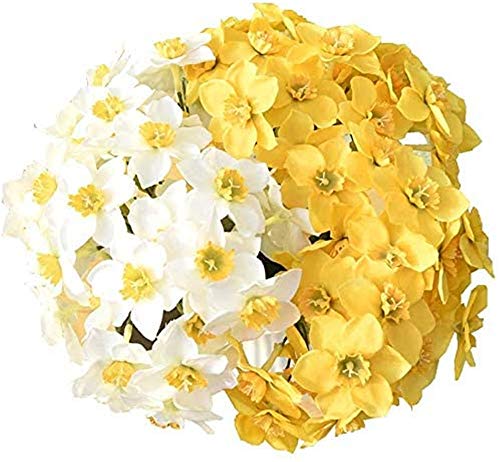
how to create stunning arrangements with artificial plants
Artificial plants and silk flowers have come a long way in terms of realism and design. In 2026, these versatile decor items can transform any space, adding a touch of nature without the upkeep of live plants. Whether you are a beginner or looking to enhance your skills, this guide will provide essential tips and creative ideas for crafting stunning arrangements that elevate your interior design.
Choosing the Right Artificial Plants
Start by selecting high-quality artificial plants. Look for options made from materials like silk or high-density polyethylene, which mimic the look and texture of real foliage. Pay attention to colour and details; the best artificial plants include variations in shade and texture. Consider seasonal arrangements, like vibrant spring blooms or rich autumnal leaves, to keep your decor fresh throughout the year.
Essential Tools and Materials
Gather your materials before you begin arranging. You will need a sturdy container or vase, floral foam or filler, wire cutters, and, if necessary, adhesive or floral tape for securing your arrangement. Selecting the right container is vital; choose one that complements the decor style of your room, whether it is sleek and modern or rustic and vintage. Ensure that the container is weighted if you are using taller plants to prevent tipping.
People Also Look For:
- Xiaomoyu 6 Pcs Artificial Lavender Flowers Plastic Decorative Flowers Indoor and Outdoor Fake Plants UV Resistant Shrubs Bushes Gr...
- UoYeet Christmas Table Decoration Artificial Plants Indoor, Potted Artificial Pine Branches with Poinsettias, Berries & Pine Cones...
- nuoshen 12 Bundles of 6 Colors Artificial Flowers Outdoor, UV Resistant Fake Flowers Plastic Greenery Shrubs Indoor Outside Hangin...
- MUSISALY Hanging Plants Artificial Daffodil Wreath Leaf Wall Plant Decor Welcome Wreath Home
- AceList Artificial Orange Tree in White Pot, 17" Faux Citrus Fruit Plant for Year-Round Table, Kitchen, or Shelf Decor – Li...
Creating a Balanced Arrangement
When it comes to arranging artificial plants, balance is key. Begin by placing the larger plants at the back or in the centre of your arrangement. This gives depth and structure. Gradually introduce medium-sized plants, followed by smaller ones at the front. Consider the shape of your arrangement; create a triangular or rounded silhouette for a natural look. Don't be afraid to experiment with asymmetry for a modern aesthetic.
Incorporating Textures and Layers
To add visual interest, incorporate plants with various textures and colours. For example, combine smooth-leaved succulents with feathery ferns or bold blooms. Layering different heights creates dynamism; use short, bushy plants in front of taller ones. This layering technique mimics the diversity found in nature and enhances the overall beauty of your arrangement.
Utilising Filler Elements
Filler elements play a crucial role in creating a cohesive arrangement. Consider adding decorative stones, moss, or pebbles at the base of your arrangement to add weight and texture. Floral foam can also be used to secure stems and maintain the shape of your arrangement. Incorporating seasonal accents, such as pinecones or berries in winter, can add a festive touch and make your arrangement more dynamic.
Placement and Lighting Considerations
Placement of your artificial plants is just as important as the arrangement itself. Choose locations that receive adequate light, as this enhances the plants' realistic appearance. Shelves, tabletops, and window sills are excellent spots. However, avoid direct sunlight, which can fade colours over time. Consider grouping smaller arrangements in clusters for an impactful look or using larger pieces as focal points in a room.
Maintenance and Care Tips
While artificial plants require less maintenance than their live counterparts, they still need care to look their best. Dust your arrangements regularly with a soft cloth or use a duster to prevent build-up. If your plants have accumulated dirt, gently wipe them down with a damp cloth and mild soap if necessary. Regular upkeep will ensure your arrangements look vibrant and fresh for years to come.